

Nature's Guide: May
Flowers, trees, herbs, wild edibles, and celestial happenings

Welcome May! It’s time for our monthly Nature’s Guide. Here I’ll shine a light on those things growing, thriving, and existing below our feet and above our heads during the month at hand.
This is a month of seduction. The air is neither too gusty nor too still, neither too warm nor too frigid. The scent is riddled with wild rose, freshly cut grass, and honeysuckle. The dawn chorus of birdsong grows more diverse daily. The landscape is laden with visual delights including irises, azaleas, peonies, and lilacs. The strawberries are yielding and juicy. Our bodies are primed and ready, all senses fully engaged.
It’s no coincidence that new life is so profuse and abundant in May. The climatic conditions are fully ripe for it. There is rain and sunlight, food from the heavens, giving the soil, flora, and fauna precisely what they need to thrive, to expand, to exist at all. Together, in a dance characterized by balance (light/dark, hot/cold, expansive/contractive, wet/dry, exposure/shadow, still/active), life on Earth comes to be, cycles through, and returns to the soil, to begin anew.
What a gift the month of May is. It is the containment of all things inside of everything else. It is the physical manifestation that all concepts, creations, and conditions exist in relation to each other. Of the necessity, desire, and urgency of life to move in an unending circle, never in a line.
Time to examine some of the botanical and celestial elements associated with this new month!
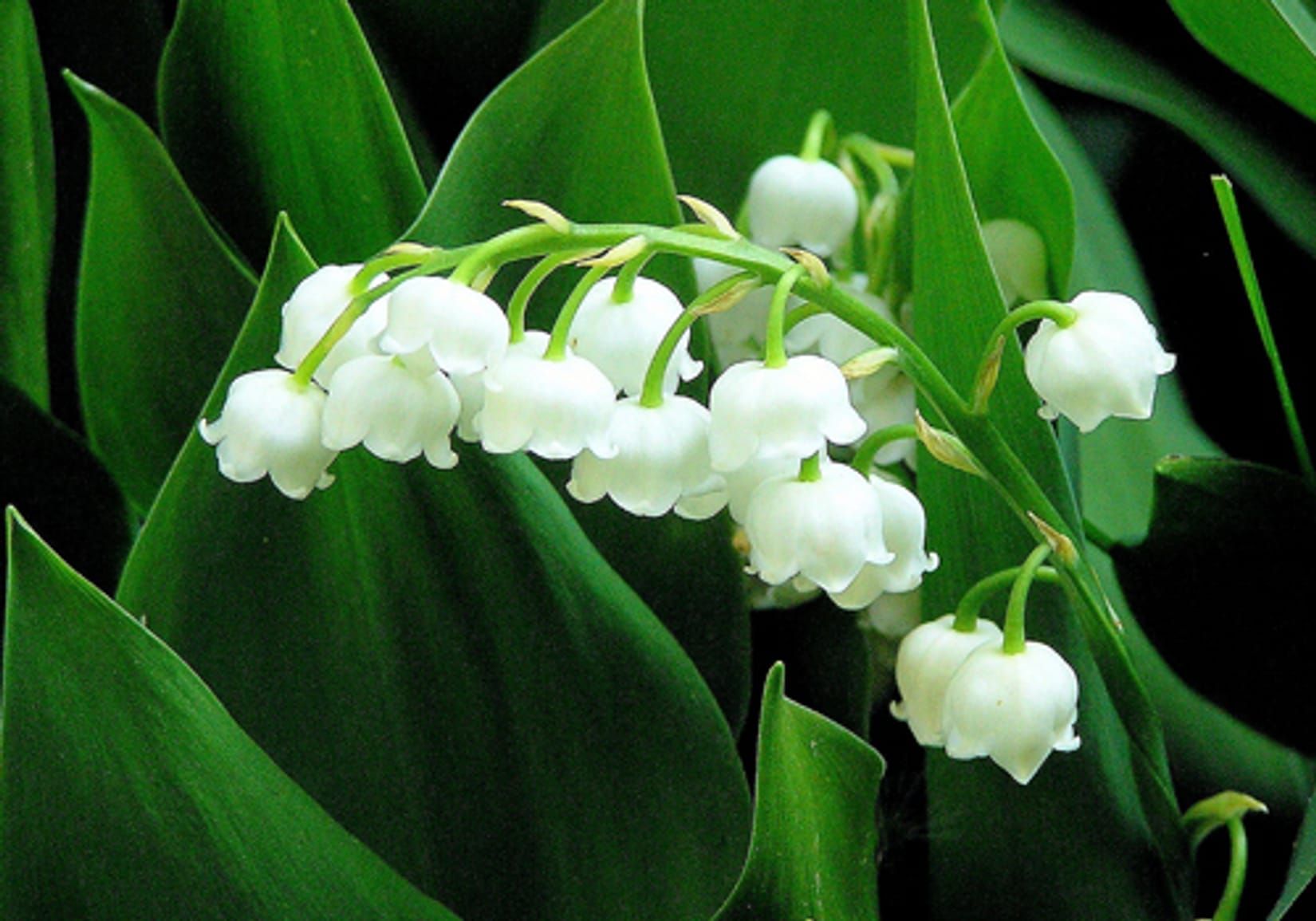
(Lily of the Valley image from here).
May’s Flower: Lily of the Valley
Tender, delicate, and possessed of rhapsodically fragrant bell-shaped blooms, Lily of the Valley is about as ephemeral of a flower as they come. The mythology around the flower states it became enamored with the song of the nightingale, and waited to bloom only when the bird returned annually to the forests and woods in the month May.
In floriography, the language of meanings associated to various flowers, Lily of the Valley is linked to humility, innocence and purity, and a return to a sense of happiness. It is also purported to soothe heartache and is linked to the fairy realm.
Native to Eurasia, the plant prefers a partial to fully-shaded environment, often found in the fertile, lush soil of wooded areas. Lily of the Valley have been in cultivation for centuries, grown for their fragrance as well as their ornamental and medicinal uses (all parts of the plant are considered toxic and should only be utilized for internal use under the care and guidance of a medical professional).
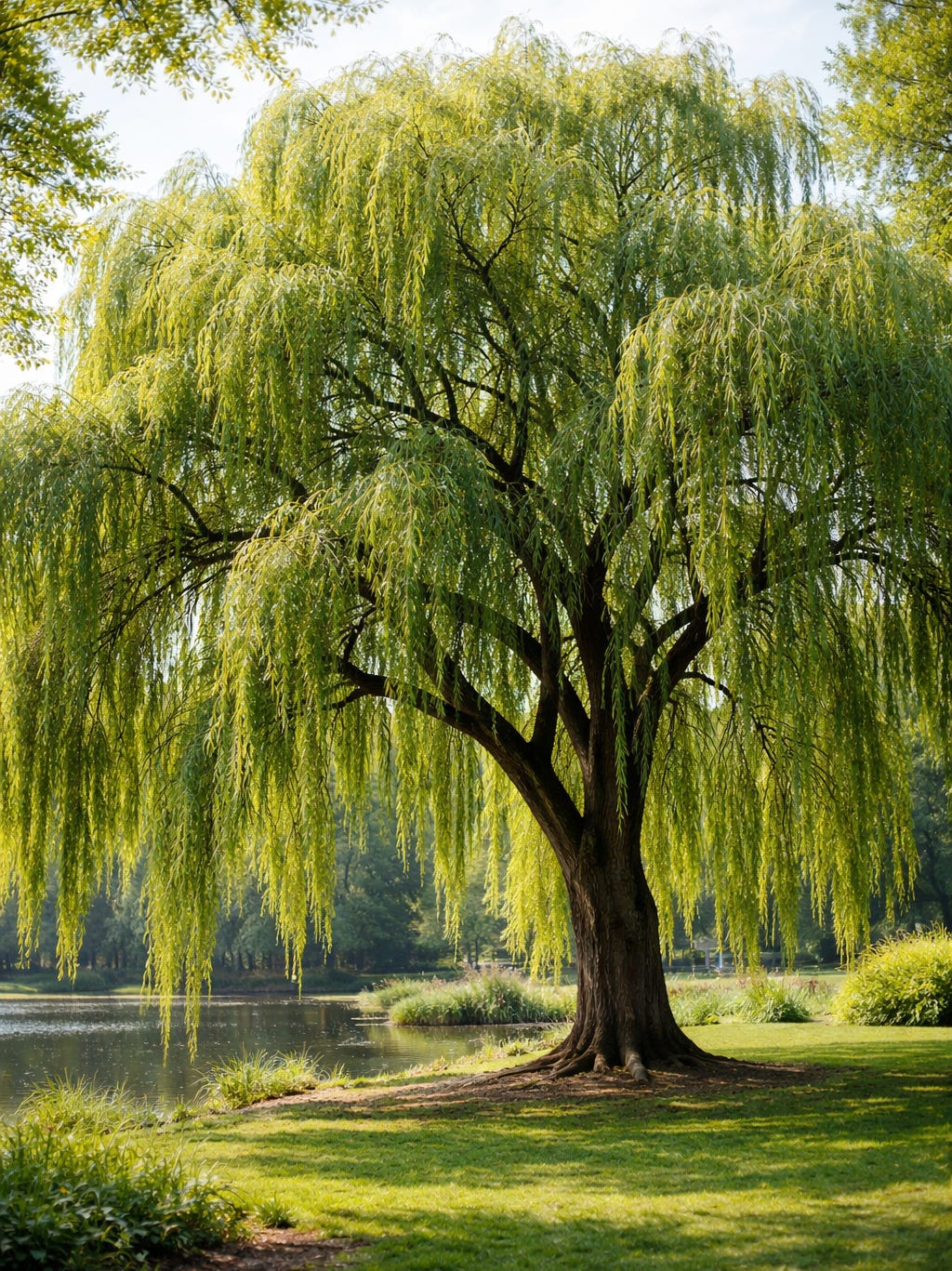
(Willow image from here).
May’s Tree: Willow (April 15 -May 12)
The Celtic tree calendar is based on lunar months, of which there are 13 in a year. Each of those months is associated with a tree representing a particular energy that can serve as a sort of guide, both for those born in that lunar month and for those seeking instruction and guidance for the month ahead.
The tree for the first portion of May (following the Celtic calendar mentioned above) is the Willow. These trees are associated with fertility, healing, resilience, and growth on account of its ability to thrive in harsh environments and to regrow from a broken branch. Willows are also associated with both sorrow and hope, owing to their graceful stoop and sway, and have accordingly long been depicted in artful renderings and scenes.
The bark of willow trees has a long history of medicinal use. In fact, the active constituents in white willow bark are the precursors to modern day aspirin! In craft applications, they’re used to fashion baskets, containment/fencing structures, and even climbing plant supports.
