

Nature's Guide: March
Flowers, trees, herbs, wild edibles, and celestial happenings

Welcome March! It’s time for our monthly Nature’s Guide. Here I’ll shine a light on those things growing, thriving, and existing below our feet and above our heads during the month at hand.
March holds such dualities. Cold and hot. Dry and wet. Windy and still. Barren and green. It’s the whole year inside several weeks. It’s the best weather and the worst weather. It is hope and it is despair. It is yielding and it is never surrendering.
March cheers you up and it wears you down. It tempts, and it satisfies. It promises then reneges. A thing about March: it certainly does provide a spectacle.
For me, March is one of the final months for quiet contemplation before robust action takes the wheel. It is watery, and contemplative, and introspective. It is studious, and inward, and unpredictable. The calm before the storm, as well as the calm AND the storm.
March shows all of life’s contractions and possibilities. It is potential and it is realization. In like a lion, out like a lamb, indeed.
Let’s examine some of the botanical and celestial elements associated with this new month!
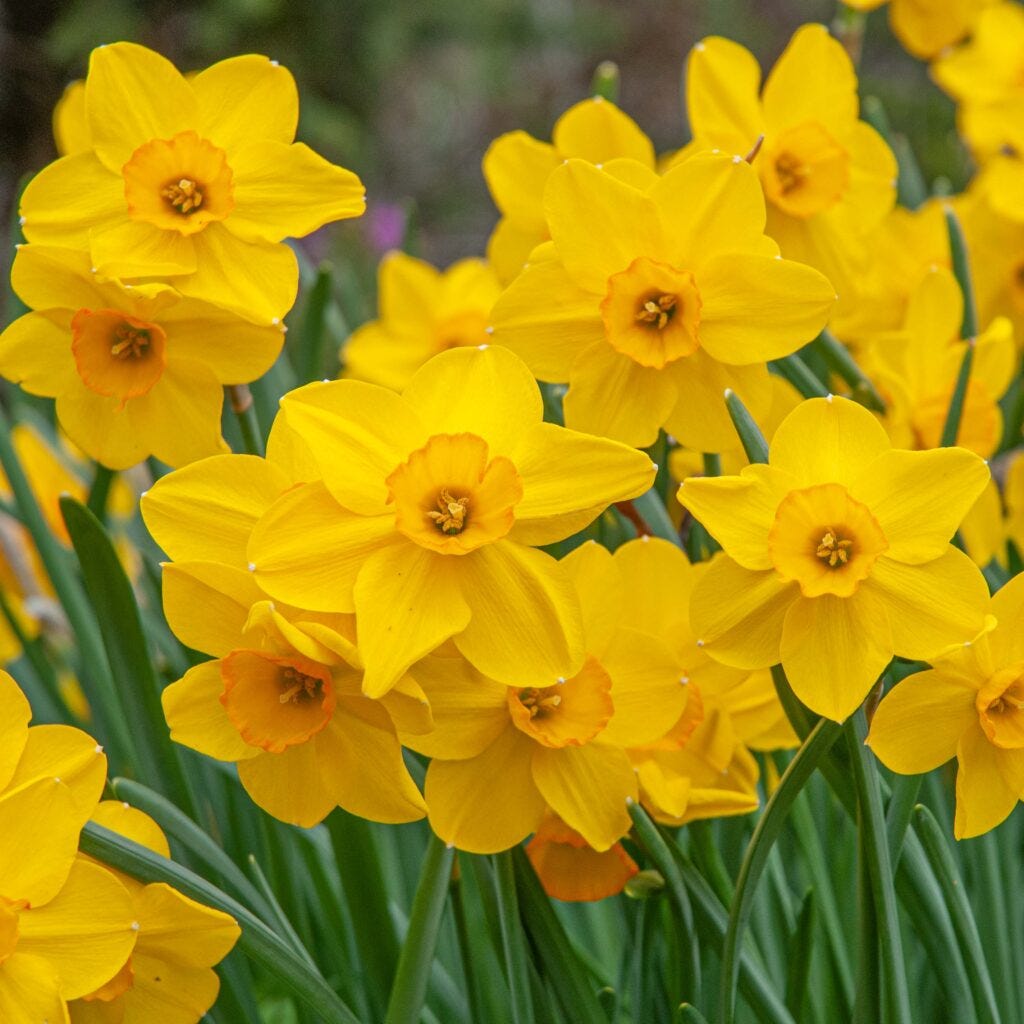
(Daffodil image from here).
March’s Flower: Daffodil
The brightest bonnets are here to usher in the first month of spring. Daffodils, also referred to as Narcissus (an homage to the Greek river god, who fell in love with his own reflection), are symbolic of new beginnings, rebirth, renewal, and optimism. So very fitting for this transitional season. They silently indicate that brighter days are ahead, figuratively and literally.
Though typically associated with the color yellow, white and orange varietals also exist. There are over 50 different daffodil species, with thousands of cultivated varieties found across the globe. The flowers can be found across North America, Europe, and Asia, and are believed to have been cultivated by the ancient Greeks and Romans.
Daffodils are the national flower of Wales. They’re also a symbol used by a number of world cancer charities.
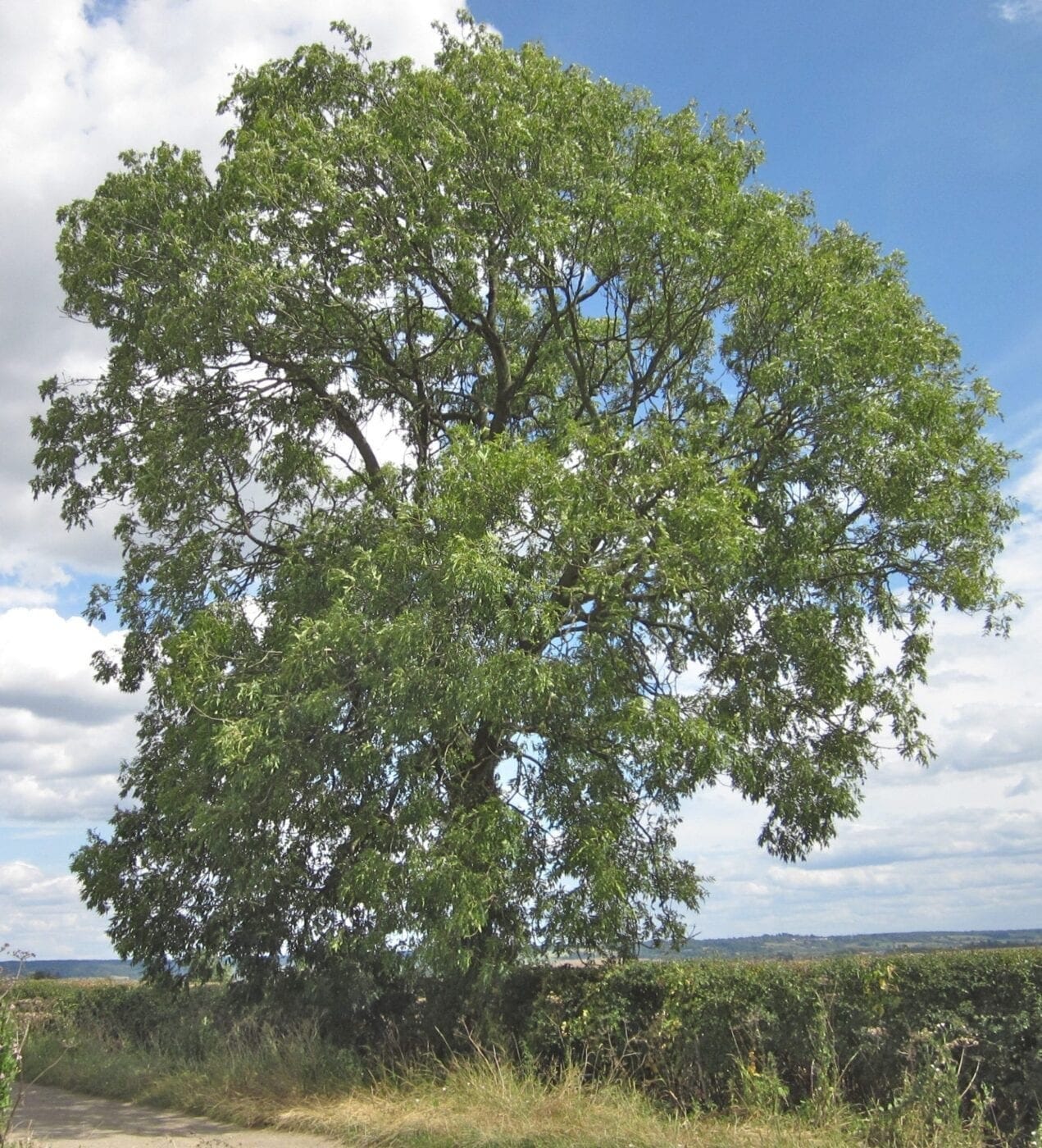
(Ash image from here).
March’s Tree: Ash (February 18-March 17):
The Celtic tree calendar is based on lunar months, of which there are 13 in a year. Each of those months is associated with a tree representing a particular energy that can serve as a sort of guide, both for those born in that lunar month and for those seeking instruction and guidance for the month ahead.
The tree for the first portion of March (following the Celtic calendar mentioned above) is the Ash. With its extensive height and deep roots that reach far down into the Earth, Ash trees are regarded as intermediaries and links between the earthly realms and those beyond it, including the underworld, middle earth, and the spiritual world. Accordingly, they are referred to as the “world tree”, or Yggdrasil.
Fittingly, associations with ash trees include those of expansion, growth, insight, enlightenment, and inner work. Ash trees encourage us to think more deeply, work on self-renewal and improvement, and extend our cognition beyond the limits we tend to enforce on ourselves.
